
In Part 2 of our AgriEnergy Cycle series, we looked at Soil Nutrients and an important distinction: having nutrients in the soil is not the same as having nutrients the crop can actually use.
But even nutrient uptake isn't the finish line.
Once those nutrients enter the plant, they have jobs to do. They become part of the processes that allow the crop to capture sunlight, build proteins, move sugars and nutrients, produce new tissue, respond to stress and eventually reproduce.
That brings us to the third stage of the AgriEnergy Cycle: Plant Metabolism.
Put simply, plant metabolism is what the crop does with what it gets.
Nutrients Are Tools, Not Just Numbers
It is easy to think about fertility in pounds, percentages and application rates. Inside the plant, though, nutrients aren't numbers on a fertilizer analysis. They are tools the plant needs to perform specific jobs.
Nitrogen supports chlorophyll formation and plant growth. Sulfur is involved in protein production and photosynthesis. Potassium helps regulate water and move nutrients through the plant. Boron plays an important role in moving sugars and nutrients and becomes especially important during reproduction.
And those are only a few examples.
The important point isn't to memorize every function of every nutrient. It is to recognize that balanced nutrition allows many different plant processes to happen at the same time.
If one important piece is missing, simply having plenty of everything else may not fully solve the problem.
That's why balanced fertility matters beyond nutrient uptake. It affects what the plant is able to do after those nutrients arrive.
Think of the Leaf as a Working Factory
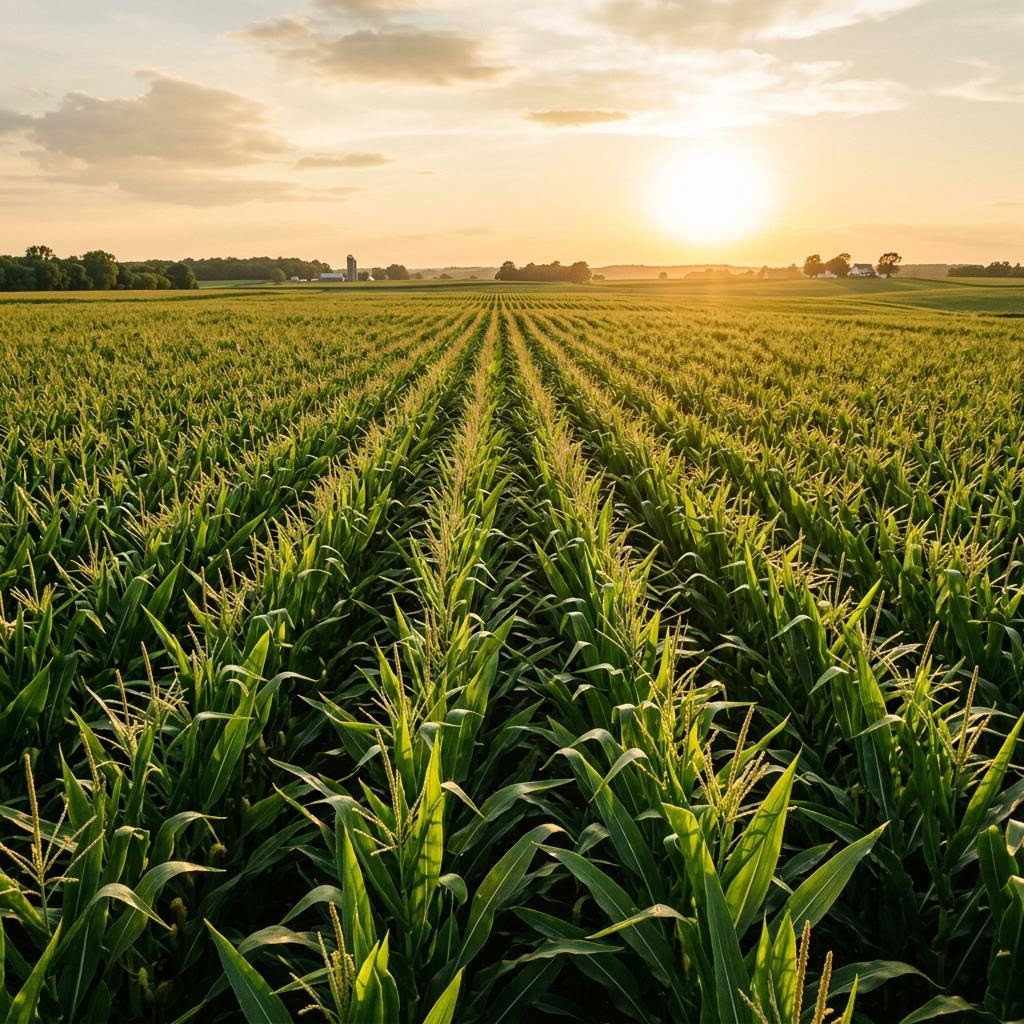
A healthy green leaf is doing far more than simply making the field look good.
It is capturing sunlight and using photosynthesis to turn light, water and carbon dioxide into carbohydrates the plant can use. That process supplies the basic building material and energy source for much of what happens next.
But photosynthesis depends on a plant that is functioning well.
The crop needs healthy leaf tissue. It needs adequate water. It needs nutrients involved in chlorophyll production and other plant processes. And it needs enough balance within the plant to keep all of that machinery operating.
AgriEnergy's 2026 soil and crop planning article makes this especially important as the crop approaches reproduction, when nutrient demands increase and photosynthetic activity needs to be working at a high level.
The plant isn't just collecting nutrients at that point.
It is putting them to work.
A Nutrient Deficiency Can Be a Metabolism Problem
When we see a deficiency symptom, our first thought is often fertility.
And sometimes the crop simply needs more of a particular nutrient.
But Part 2 showed us that availability matters. Part 3 adds another layer: once nutrients enter the plant, they need to be used effectively within a much larger system.
Consider sulfur. It isn't needed in the same quantity as nitrogen, but it plays a role in protein synthesis and chlorophyll formation. Boron is required in much smaller amounts, yet it helps move sugars and nutrients and supports reproductive development. Potassium is involved in water regulation and the movement and use of other nutrients.
A limitation in one area can therefore affect processes well beyond that nutrient itself.
This is one reason we don't want to look at plant nutrition as a collection of independent ingredients.
The crop is trying to run an interconnected system.
Timing Matters Because the Plant Keeps Changing
The metabolism of a young seedling is supporting a very different job than the metabolism of a crop entering reproduction.
Early in the season, the plant is establishing roots and building leaf area. As vegetative growth accelerates, the crop is producing large amounts of new tissue. Later, resources begin shifting toward flowering, pollination, grain fill, fruit development or seed production.
Those transitions change what the plant is asking of its nutrient supply.
This is why the AgriEnergy approach emphasizes timely nutrition rather than assuming one large application can perfectly match the crop from emergence through harvest. Sidedress and in-season fertility provide opportunities to support the crop as those demands change.
The practical question becomes:
What is the plant trying to accomplish right now, and does it have what it needs to do it well?
Stress Changes the Equation
Plants don't grow in controlled environments.
Temperatures swing. Rainfall becomes excessive or disappears altogether. Roots encounter compacted areas. Cloudy stretches reduce available sunlight. Disease and insect pressure can damage productive leaf area.
All of those conditions can affect how well the plant functions.
A crop under stress may still have nutrients available, but its ability to take them up, move them or use them can change. Root activity can slow. Photosynthesis can decline. Growth can stall.
That means metabolism is not something we manage directly with a single application.
Instead, we manage the conditions that support it.
Healthy roots help supply water and nutrients. Balanced fertility supplies the materials the plant needs. Good soil conditions reduce unnecessary limitations. And in-season observation gives us opportunities to respond when the crop begins telling us something has changed.
Watch How the Crop Is Performing
Plant metabolism sounds like something that requires a laboratory to understand.
But there are practical clues in the field.
Start with uniformity. Are plants developing at a similar pace, or are certain areas falling behind?
Look at leaf color and leaf condition. Is the crop maintaining healthy green leaf area, or are symptoms beginning to appear?
Look at new growth. Is the plant continuing to produce healthy tissue as demand increases?
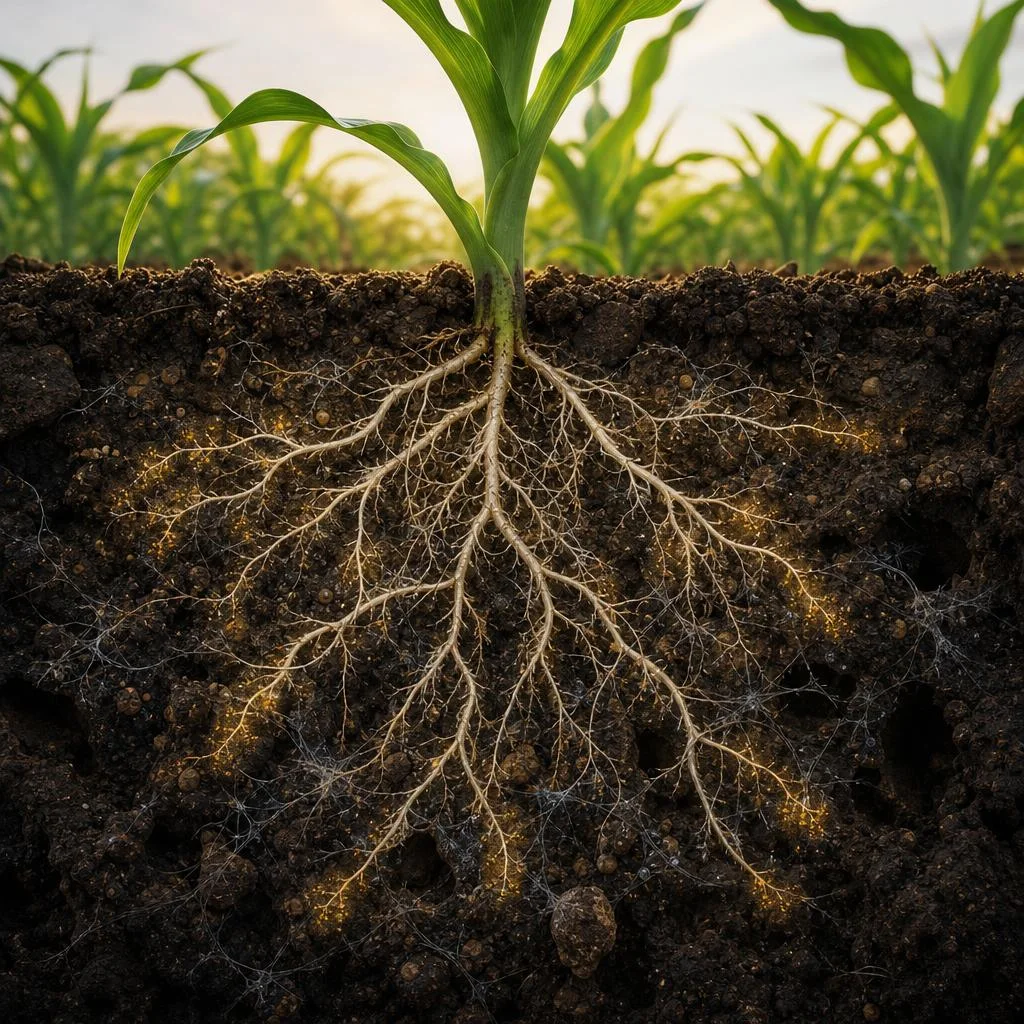
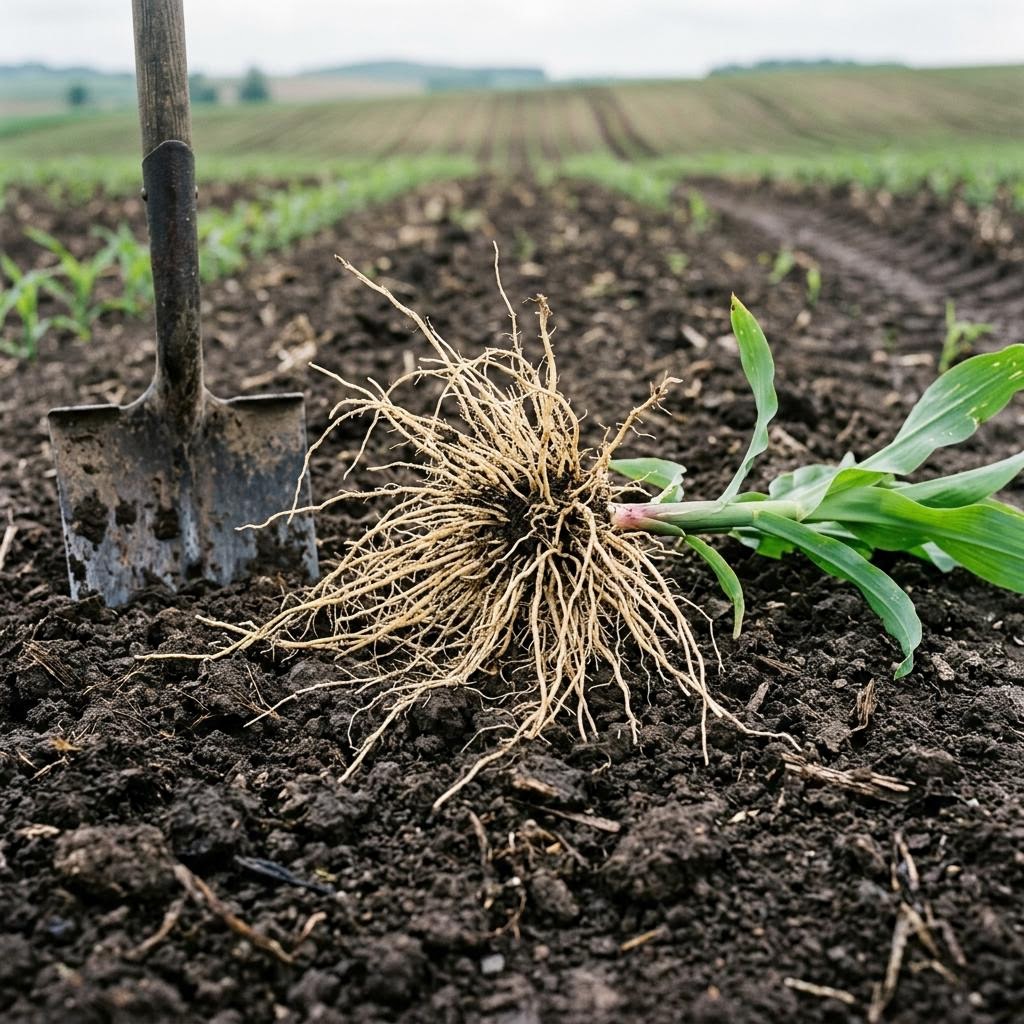
Dig roots. A plant cannot maintain strong activity above ground for long if the system supplying it below ground is struggling.
And pay attention when conditions change. A crop that looked excellent before a wet period, dry stretch or heat event may tell a different story afterward.
None of those observations measures plant metabolism directly. But together they help answer a useful question:
Is this crop functioning the way it should be at this stage of growth?
Testing Can Help Fill In the Picture
This is also where in-season plant testing can become useful.
A soil test helps establish the fertility picture below ground. Tissue or SAP analysis can provide another perspective on what is happening inside the plant as the season progresses.
That information becomes more valuable when paired with field observation.
If the plant is struggling, testing may help identify a nutritional limitation before simply assuming that more of the same fertilizer is the answer. If the crop is moving into a period of rapidly increasing demand, testing can also help guide timely decisions.
The objective isn't testing for the sake of collecting more numbers.
It is understanding what the crop needs while there is still time to do something about it.
Don't Feed the Field and Forget the Plant
A fertility program can look excellent on paper and still encounter problems in the field.
Weather changes. Root conditions vary. Nutrient demand shifts. Plants respond.
That is why fertility management doesn't end when the spreader or planter leaves the field.
Walk the crop. Look at what it is telling you. Compare strong areas with weak ones. Use testing when appropriate. And remember that the purpose of fertility is not simply to place nutrients in the soil or even to get them across the root.
The purpose is to help the plant function.
That is Plant Metabolism.
From Plant Metabolism to Energy
The first three stages of the AgriEnergy Cycle now begin to connect.
Soil Biology helps release and cycle nutrients.
Soil Nutrients provide the balanced nutrition the crop needs.
Plant Metabolism puts those nutrients to work through photosynthesis and the many processes taking place inside a growing plant.
When those processes are functioning well, the crop is able to capture and produce something every growing plant needs:
Energy.
And that takes us to Part 4 of the AgriEnergy Cycle.
Continue the AgriEnergy Cycle Series
Next: Part 4: Energy — The Crop’s Energy Budget
Previous: Part 2: Soil Nutrients — It's What the Crop Can Use
Start at Part 1: Soil Biology — The Living Engine Beneath Your Feet
Explore: See the complete AgriEnergy Cycle