
Early planting can boost soybean yield potential, but emergence and early health are highly dependent on seed-zone conditions. Temperature, moisture, oxygen, and early disease pressure can make or break stand uniformity and nodulation. In this issue, we'll cover what to watch and how to reduce early-season risk.
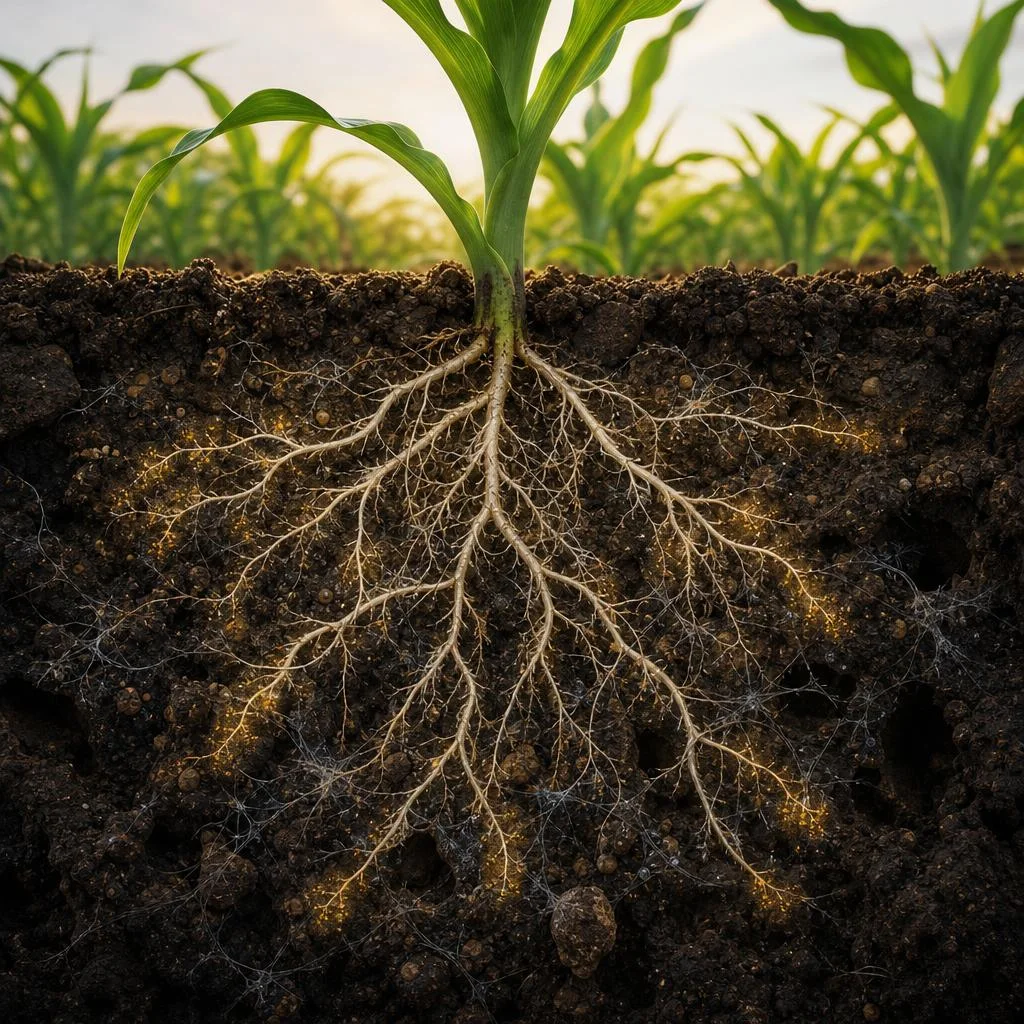
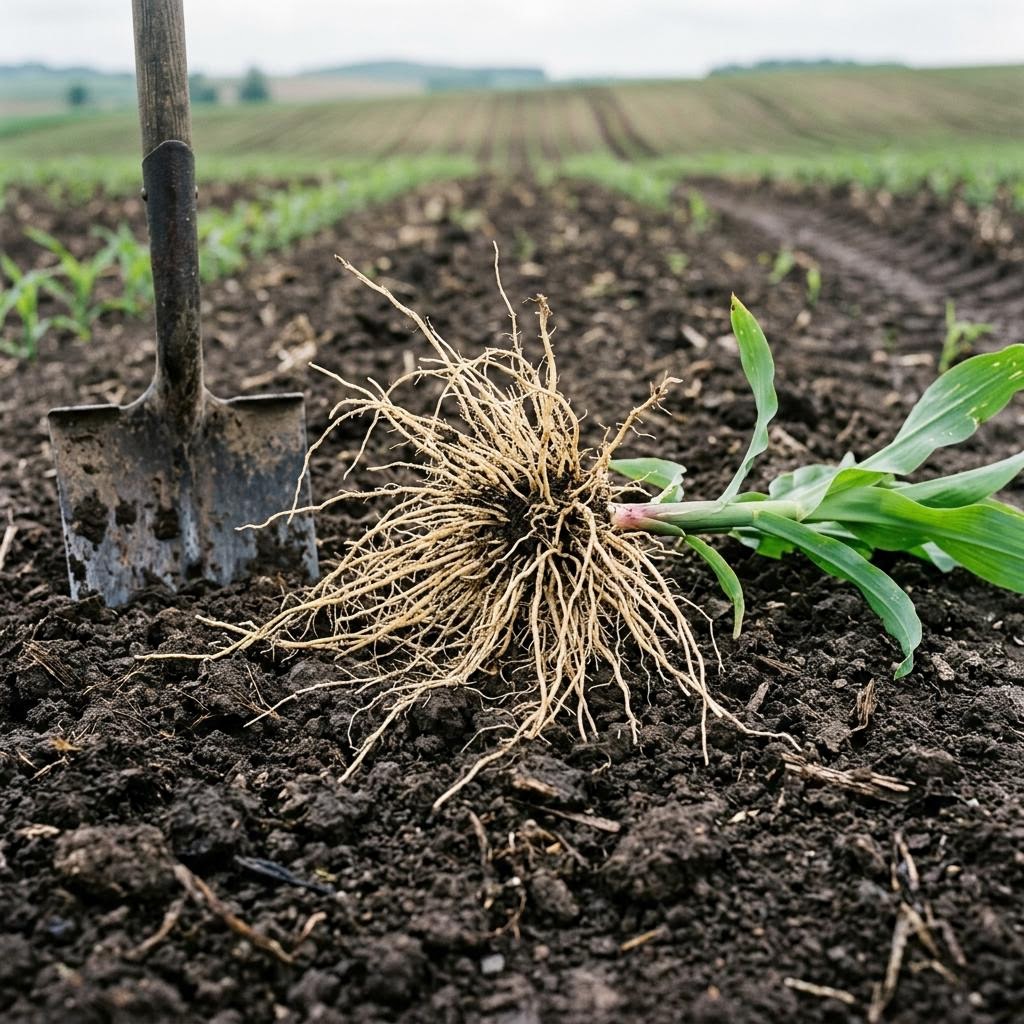
If you're also planting corn this season, check out our companion article on Early Corn Growth & Development — it covers similar early-season risks with a focus on germination, phosphorus availability, and cold stress in corn.
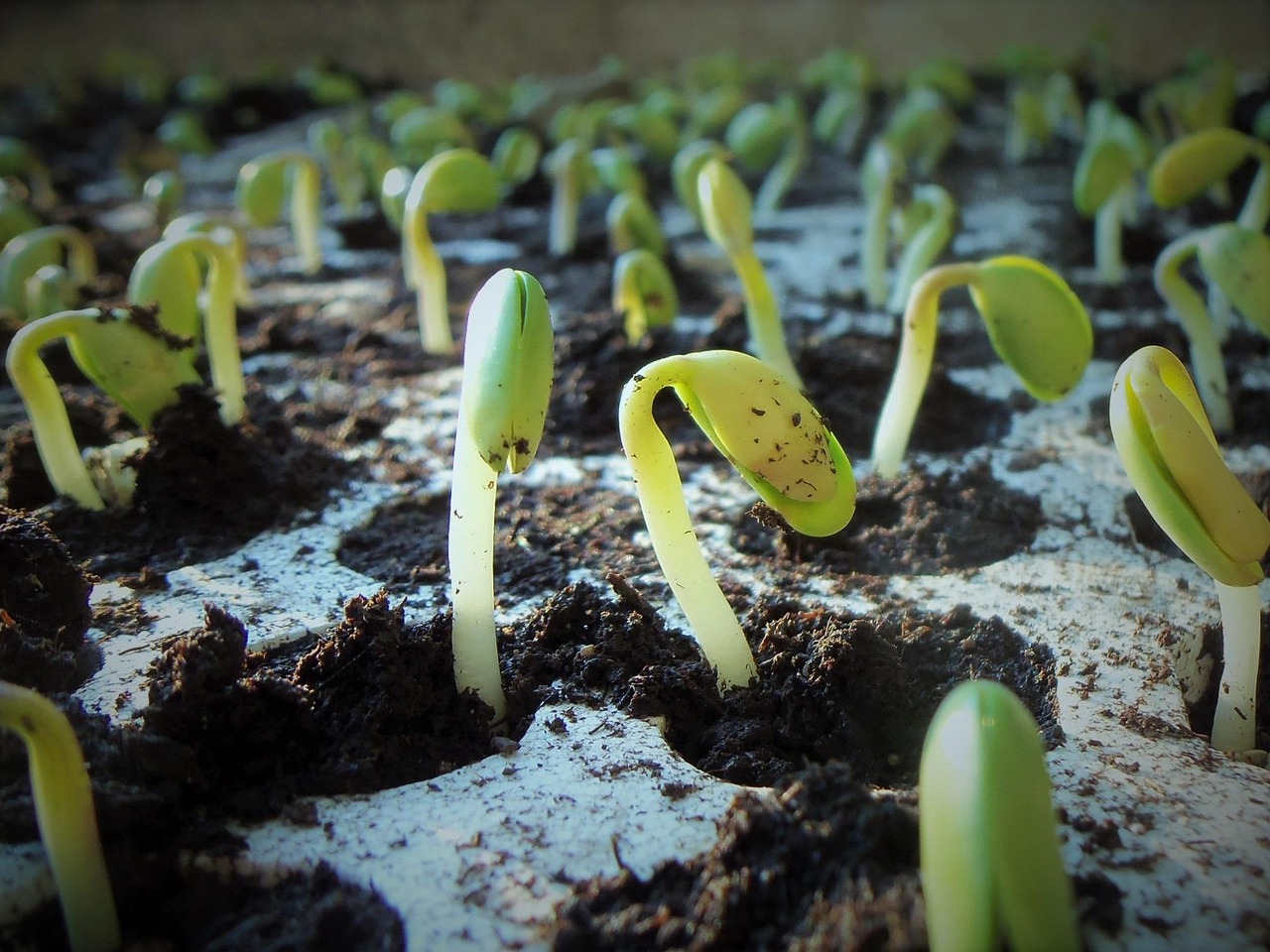
Soybean Germination: The 3 Things That Matter Most
Uniform emergence in soybeans is highly sensitive to early conditions. These three factors do the most to determine whether you get a strong, even stand.
1) Temperature
Soybeans will germinate at 60°F soil temperature, but ideal germination is between 70–85°F. Soil temperature should be measured in the morning on bare ground, since it can change quickly as conditions change.
2) Moisture
Soil moisture should be 30–40% for optimal germination. Soybean seeds must imbibe (absorb) approximately 50% of their weight to germinate — so cold, wet conditions during that imbibition window can create emergence risk.
3) Oxygen
Oxygen is critical for soybean germination and helps reduce infection from common seedling blights. To maintain oxygen, aim for a well-flocculated seed zone with compaction (surface tension) below 150 psi in the seed zone (roughly the top 1–2 inches of soil).
Nutrient Demand & Availability (What Soybeans Need Early)
Soybeans require certain nutrients earlier than many other crops, and early limitations can show up quickly as stress, slowed growth, and weaker nodulation.
- Potassium (K) is required early and throughout the growing season; potassium "row support" applications can be beneficial
- Calcium (Ca) is important early for absorption and transport of other critical nutrients
- Iron (Fe) plays a crucial role in early soybean development and should be monitored in iron-deficient soils
- Sulfur (S) and molybdenum (Mo) additions can aid nitrogen uptake and support nodulation
Bottom line: early soybean performance is often limited less by total nutrient supply and more by availability — especially when soils are cool, wet, or compacted.
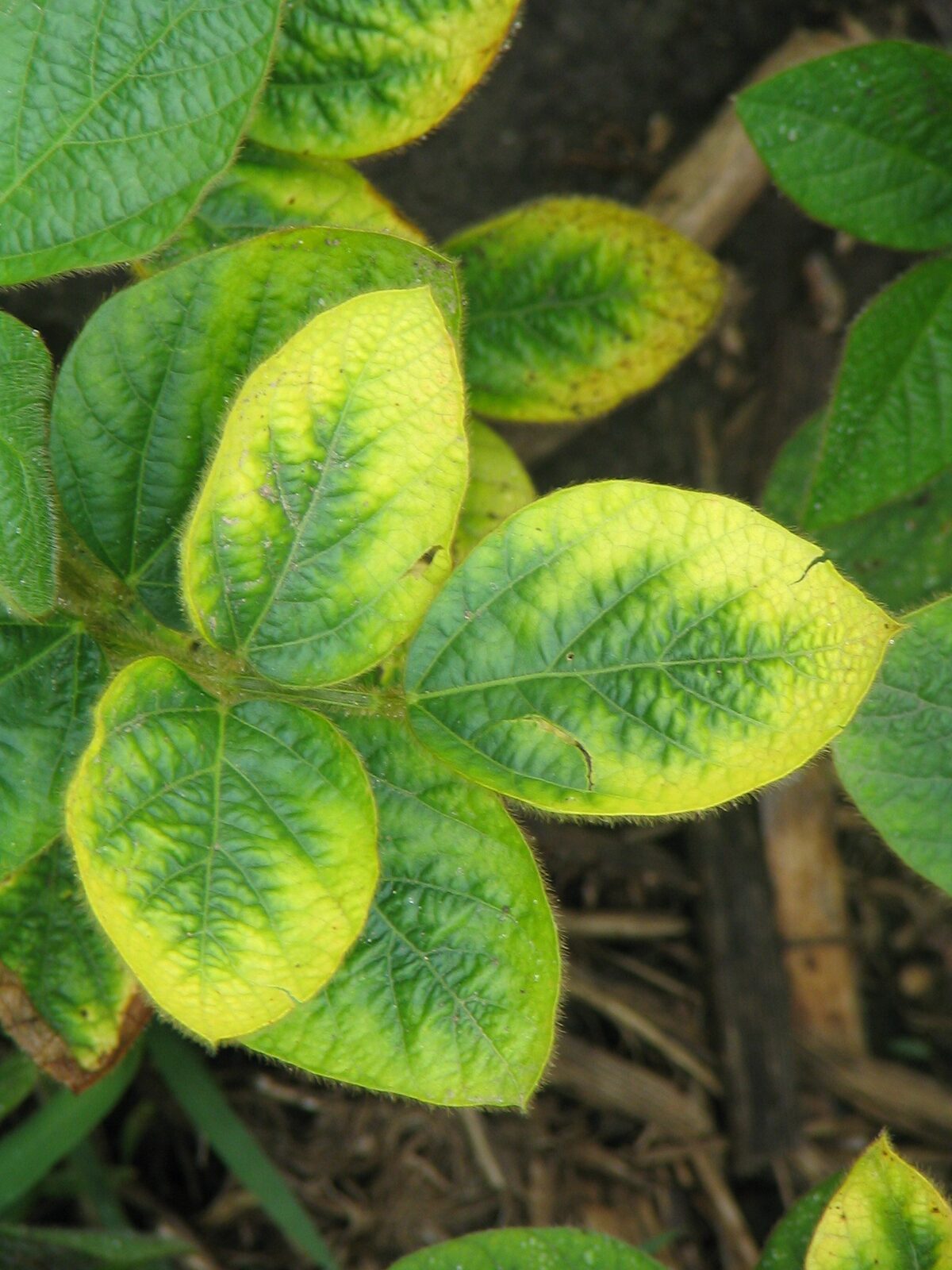
Cold Temperature Issues (What You'll Actually See)
Soybeans can be more sensitive to early-season cold stress than grass crops because their growing points are above ground immediately following emergence.
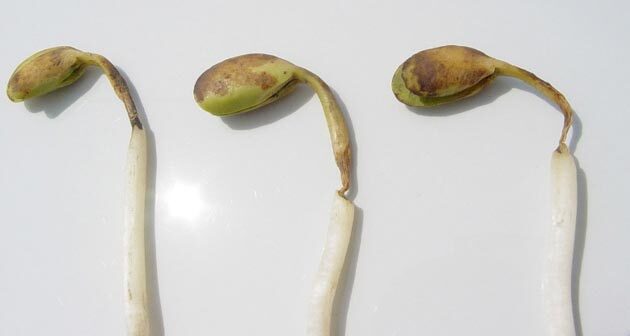
Imbibitional Chilling
Imbibitional chilling occurs when soybean seed absorbs cold water from rain within 24 hours after planting. This commonly results in poor germination and stand loss.
Freeze Damage
Soybeans are sensitive to freeze events after emergence. Any damage to the cotyledons (seed leaves) or new trifoliates can compromise the plant, since the growing points are above ground immediately.
Seedling Blights
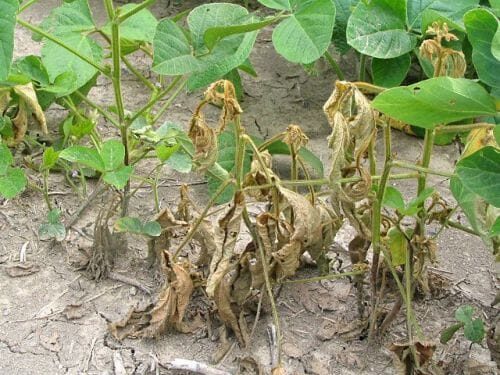
Seedling blights are more common in soybeans because they are susceptible to "water molds" and fungal pathogens that live in the soil solution (including Phytophthora, Pythium, and Sclerotinia). Once infected, stunting and plant death often occur. Managing compaction can greatly reduce seedling blights by improving oxygen and drainage in the seed zone.
Poor Nodulation in Cool Conditions
Studies have shown that nodulation can be reduced under cool conditions in legumes, limiting nitrogen availability during peak demand later in the season (including grain fill).
Mitigation Tactics (Practical Levers)
While you can't control weather, you can reduce early soybean risk by improving emergence conditions, nutrient availability, and early nodulation support.
- Biological seed treatments that contain mycorrhizae fungi can aid potassium absorption
- Starter fertilizer can provide readily available potassium and sulfur for developing plants
- Molybdenum applications can aid in nodulation and early nitrogen fixation
- Humic acid can chelate nutrients and help make them more bioavailable to plants
- Biostimulants can aid root colonization of active soil biology to enhance nutrient absorption