Early planting can generally lead to higher yields. However, the reward is offset with a certain level of risk — especially around germination, early-season phosphorus availability, and cold stress. In this issue, we'll look at the biggest early-season risks and the most practical ways to mitigate them.
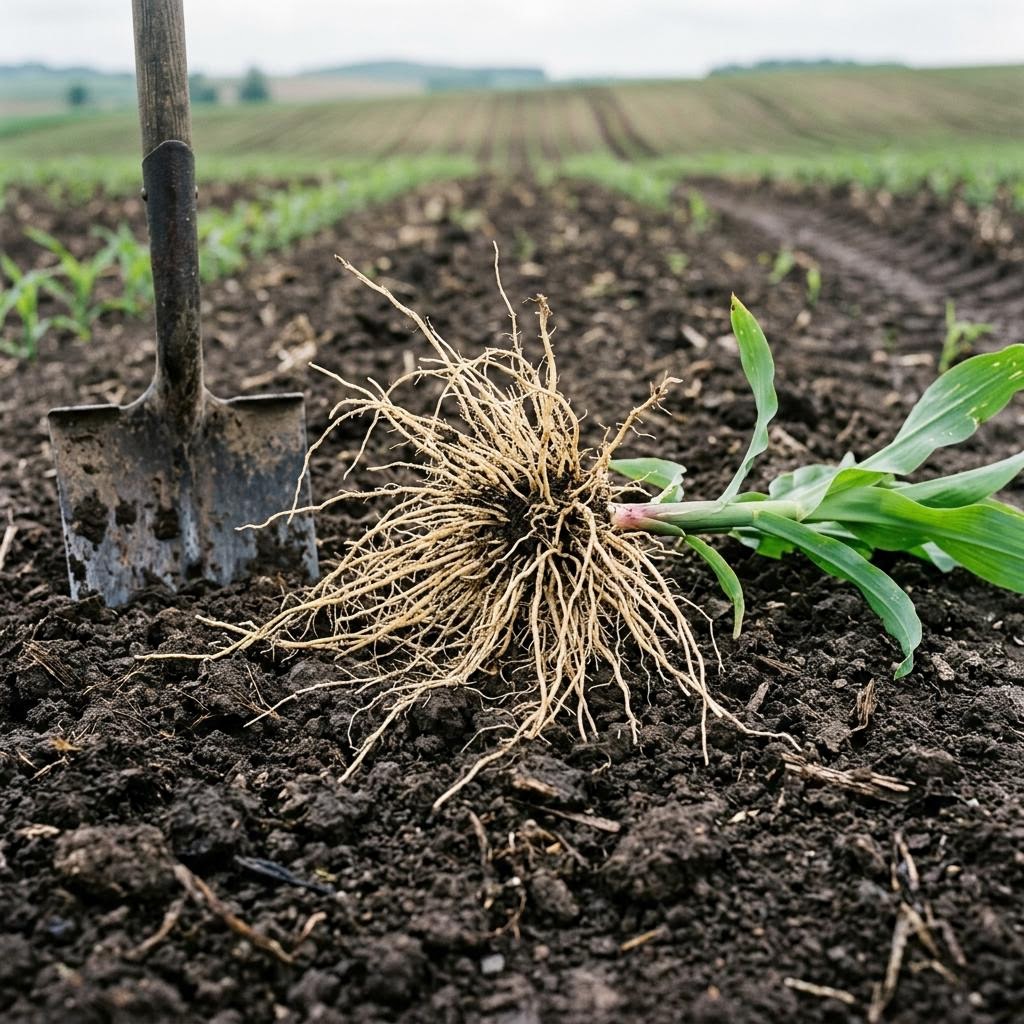
Corn Germination: The 3 Things That Matter Most
Small swings early can create big differences in uniformity and stand. These are the three most important variables to monitor during germination.
1) Temperature
Corn can germinate at 50°F soil temperature, but ideal germination is between 60–85°F. Soil temperature should be measured in the morning on bare ground, since it can change quickly as conditions change.
2) Moisture
Soil moisture should be 20–30% for optimal germination. Corn seed must imbibe (take in) about 30% of its weight to germinate — so marginal moisture at planting can lead to delayed or uneven emergence.
3) Humidity
Relative humidity should be between 50–60% for optimal germination. Relative humidity below 50% can cause soils to dry quickly and contribute to uneven germination.
Phosphorus Demand & Availability
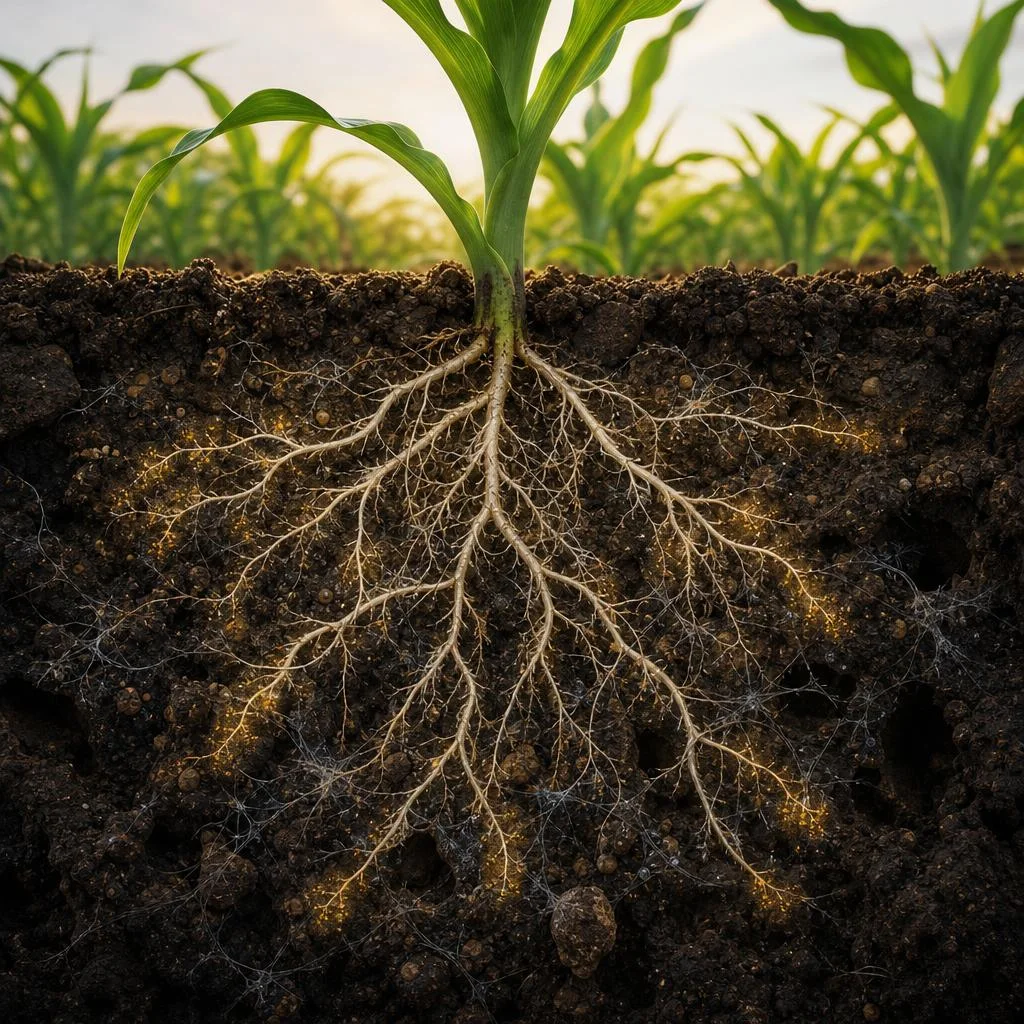
Phosphorus demand is greatest from the seedling through early vegetative stages, largely because the plant is producing ATP (Adenosine Triphosphate) — the main energy source of the plant. The challenge is that phosphorus availability is often limited early:
- Phosphorus availability is restricted in cool, dry soils
- Phosphorus availability increases with warming soil temperatures and moisture
Bottom line: Early-planted corn can show phosphorus-related stress even when soil test levels are adequate, because availability (not total P) is often the limiting factor.
Cold Temperature Issues (What You'll Actually See)
Cold stress can show up in a handful of recognizable patterns. Knowing what you're looking at helps you respond appropriately and support recovery.
Erratic Germination
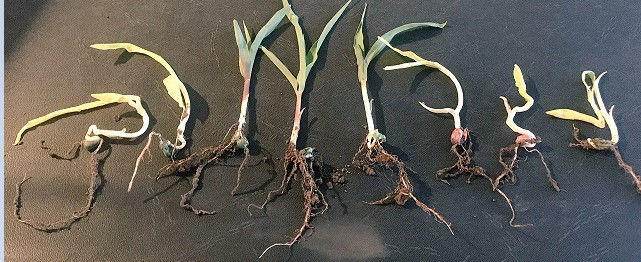
Erratic germination occurs when soil is cool or moisture is limited and seed germinates inconsistently from kernel to kernel. Emergence becomes nonuniform and the stand can be compromised.
"Cork Screw" Corn
Corn grows toward warm temperatures. When ground temperatures are higher than air temperatures, corn can "cork screw" and grow downward toward warmer soil.
Leaf Burn / Freeze
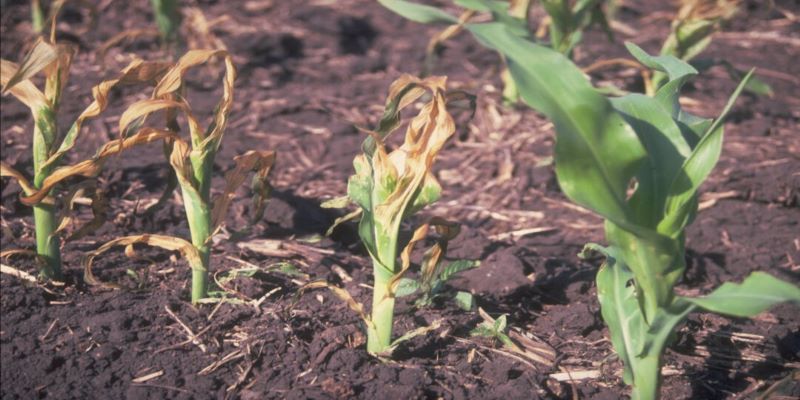
Leaf burn or freeze happens when corn emerges into frigid air below 28°F. This can cause cosmetic leaf burn or complete necrosis. The growing point remains below ground and corn will generally recover, although an energy penalty is paid by the young seedling.
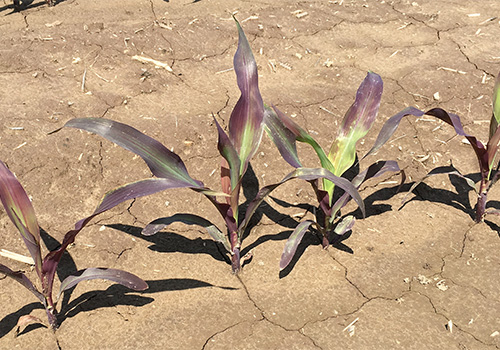
Seedling "Stall"
Seedling stall is the condition of seedling plants (still living off the energy of the seed) stalling due to cool temperatures or low moisture. They are unable to produce new leaf tissue to perform photosynthesis. This is often characterized by short, stunted plants that may have purple leaf margins.
Buggy Whipping
Buggy whipping is when new green tissue gets caught in tight whorls or necrotic tissue from cold temperatures and poor calcium absorption. Corn generally grows out of this with warming temperatures and improving soil moisture.
Mitigation Tactics (Practical Levers)
While you can't control weather, you can reduce early-season risk with a few practical tactics focused on nutrient availability and root function:
- Biological seed treatments that contain P solubilizers can aid in phosphorus absorption
- BioEnerG supports nutrient availability and root function with a diverse blend of beneficial microbes
- Starter fertilizer can provide abundant phosphorus for small corn plants to absorb
- Humic acid can chelate phosphorus, helping keep it in soil solution
- Biostimulants can aid in root colonization of active soil biology to enhance nutrient absorption