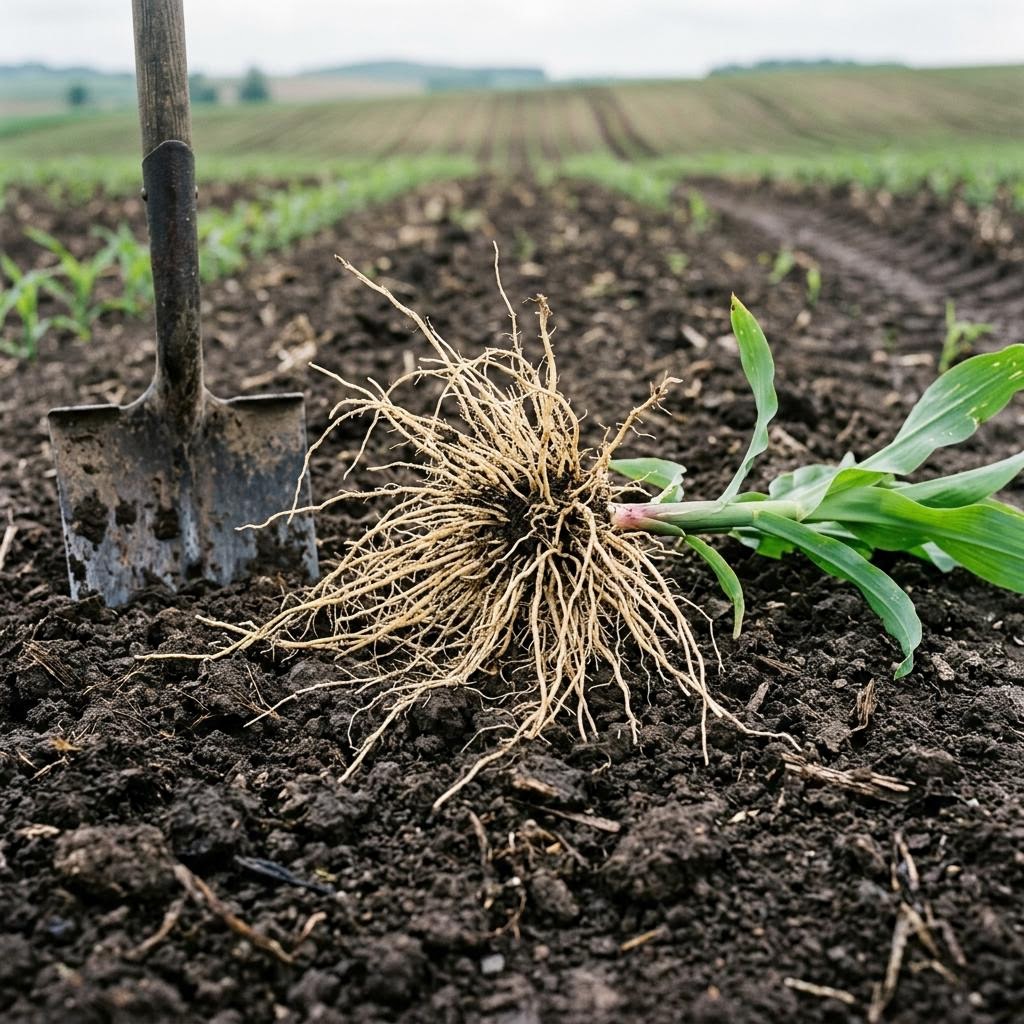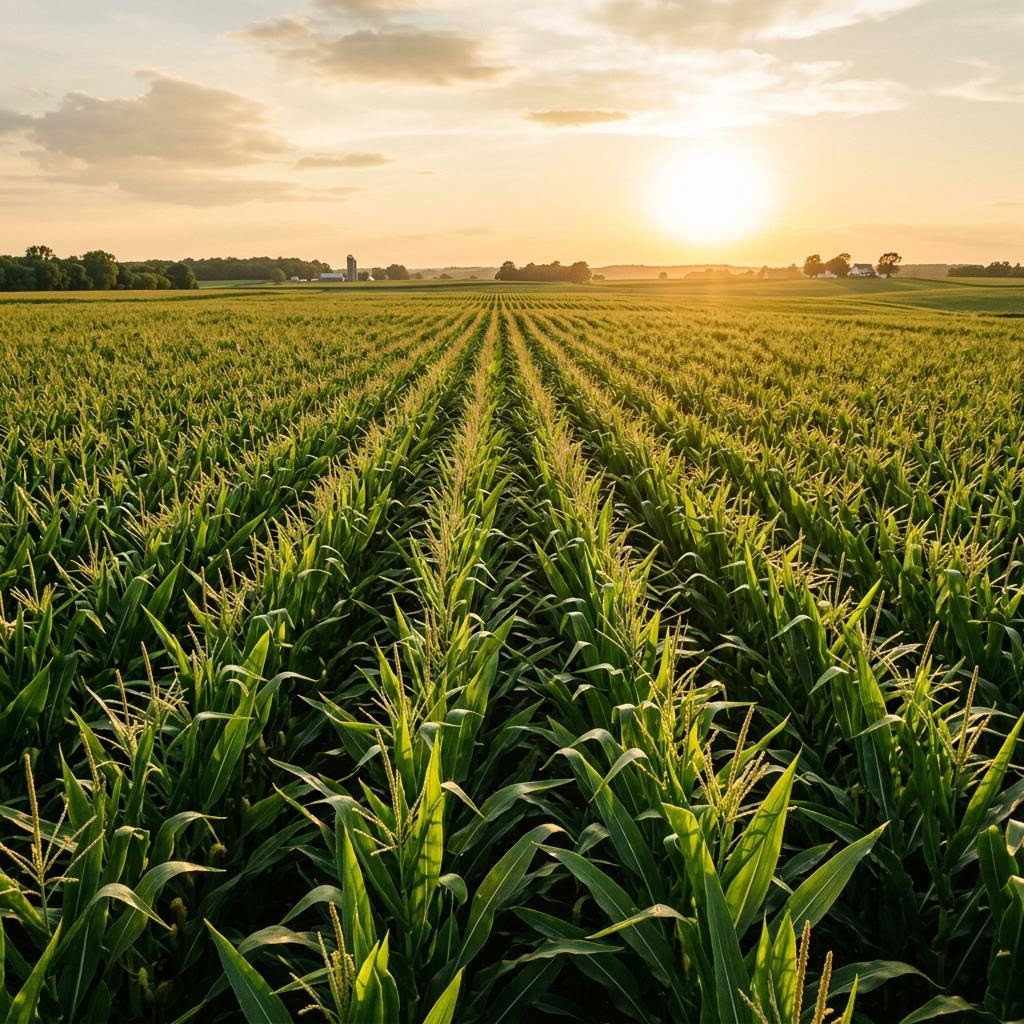

Many farmers have already gotten their crop off to a good start by banding their starter fertilizers blended with necessary nutrients, carbons and MVP to enhance their nutrient efficiency. The next step is to evaluate what your crop needs in your sidedress program to continue to thrive. If you can visibly see the deficiency, you have already compromised yield. This can be done proactively by identifying the deficient nutrients by a PSNT (pre-sidedress nitrate-nitrogen test), soil sample, or plant tissue analysis.
There are many things to consider when planning for your sidedress program. A few questions you may want to consider are:
- Is my soil alive with biology?
- How is my soil structure? Is my soil compacted, do I need to aerate?
- Do I have adequate nutrients to promote a healthy crop?
- Which nutrients are susceptible to leaching?
- When and how much Nitrogen will I need?
Soil structure, weather, and timing play a huge role. Poor soil structure can degrade the ability to capture and retain nutrients to make them available to your crop. Too much rain can cause leaching of nutrients, or in dry conditions nutrients can be tied up or become unavailable. These variables also highlight the advantages of spoon-feeding your inputs throughout the growing season.
Over the past several decades, AgriEnergy has observed the substantial benefits to apply biologicals, carbons, and nutrients in addition to nitrogen in their sidedress applications. A complex sidedress program that is balanced and buffered plays a critical role in your crop health and yield potential. Many nutrients are critical, but today we will review just a few mobile nutrients that are often deficient in your soil at this pivotal growth period: Potassium, Sulfur, and Boron.
Why are these other nutrients so important?
Potassium is needed to efficiently uptake other nutrients. It helps increase disease resistance and water stress tolerance. A potassium deficient crop has a tendency to wilt on dry sunny days. Your crop will show leaf symptoms of yellowing (or necrosis) of the outer leaf margins starting with the lower leaves because it is moved from older to younger leaves within the plant.
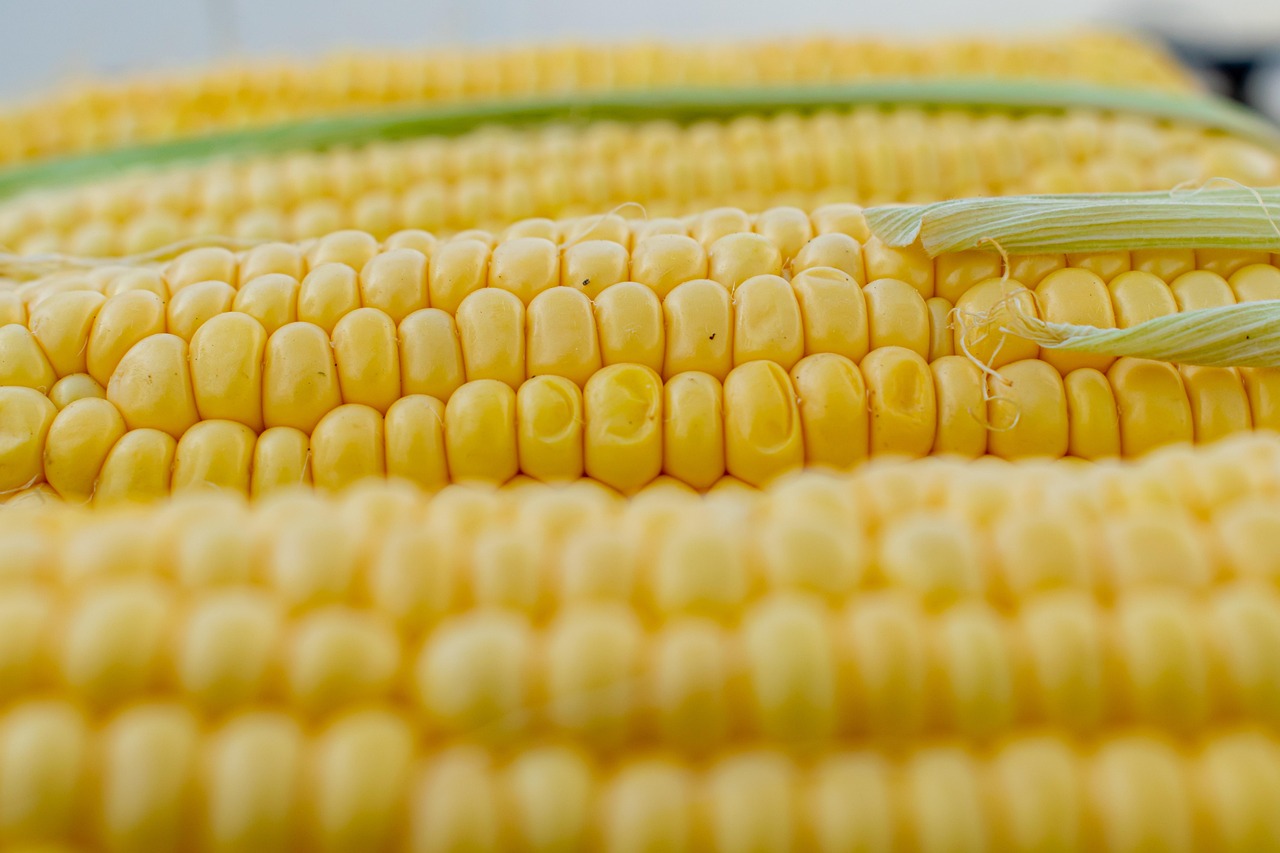
Boron is needed to move sugar and nutrients within the plant. It also plays a key role in the pollination process to promote pollen development and flowering. In corn, it supports reproductive growth in tassels and ears. A boron deficiency can cause short and bent cobs, barren ears and stalks, and overall poor kernel development.
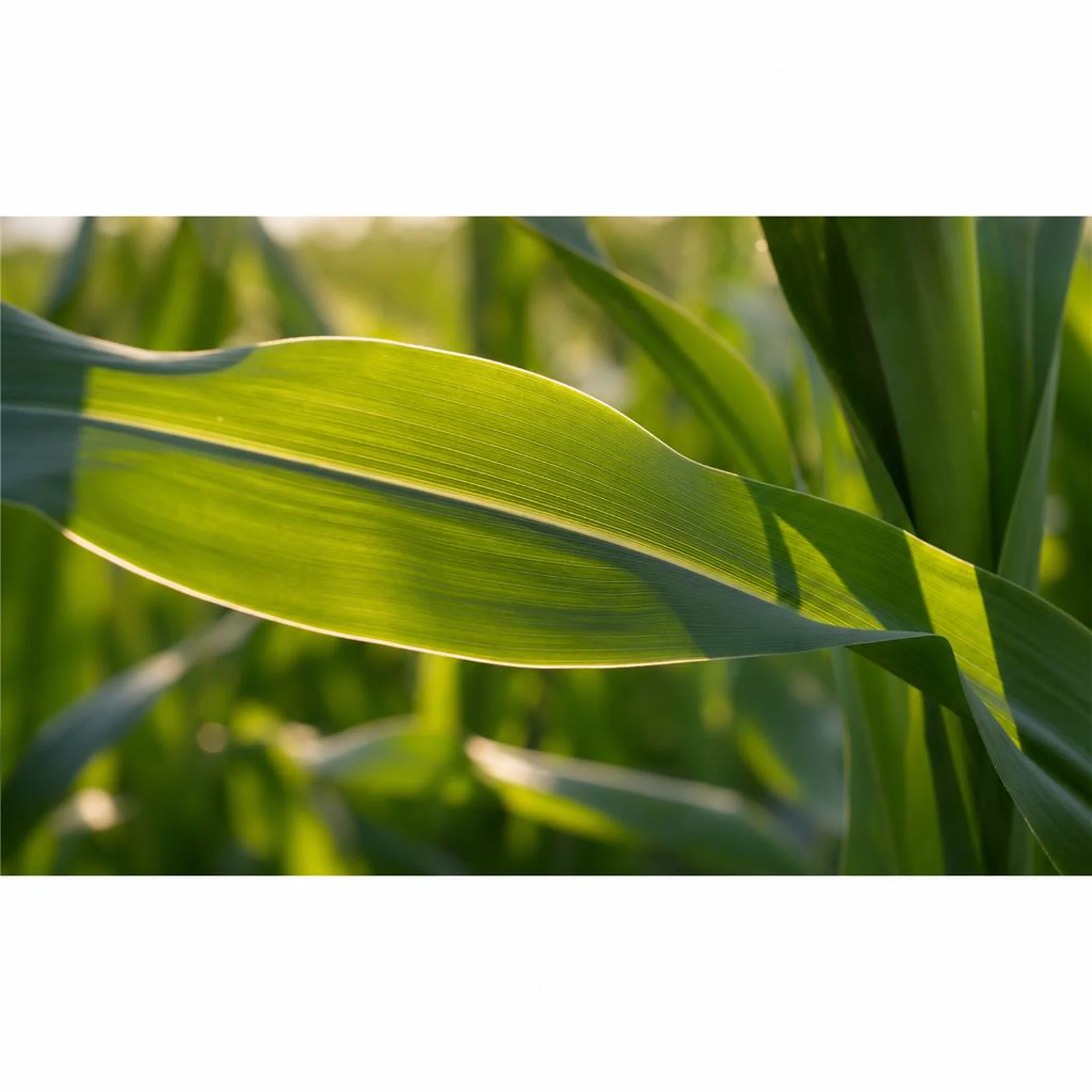
Sulfur plays a key role in protein synthesis and is required for many plant functions such as photosynthesis, chlorophyll formation, and nitrogen fixation. It also breaks free and allows uptake of other essential micro-nutrients. A sulfur deficient crop shows symptoms of pale-yellow foliage and corn leaves can show striping instead of an overall yellowing of the leaf.
So, what else can I add besides nitrogen?
It is highly recommended for both Conventional and Organic programs to include our MVP biological to whichever sidedress mix you choose; this will enhance the efficacy by stimulating microbiology and consuming some of the nutrients for later release and uptake by the crop.
Conventional Products
- Activator II - Humic, fulvic, amino acids, plant extracts, sugars & micronutrients: great carbon source to improve nutrient uptake
- TracePak - Blend of micronutrients including boron, cobalt, copper, manganese, molybdenum, and zinc
- ATS, Ammonium Thiosulfate (12-0-0-26) - Sulfur and ammonium nitrogen source
- KTS, Potassium Thiosulfate (0-0-25-17) - Contains 3 pounds of potassium and 2 pounds of sulfur per gallon
- Individual Traces - Boron, Zinc, Manganese, and other individual traces
Organic Products
- 2-0-2 - Nitrogen and potassium
- Potassium Sulfate Solution (0-0-4) - Potassium & Sulfur
- Molasses - Food source for microbes
- N-Force (8-0-0) - Readily available amino acid nitrogen source
- Bio Humus - Humic acid based product that can improve nutrient uptake in the soil
- Dramm Fish - An excellent food source for microbes
- Pillar 15 (2-0-1) - Nitrogen, potassium, boron, manganese, and zinc
Consult your AgriEnergy Dealer or representative to help you develop your custom mix sidedress program that is tailored to your specific farm's needs.