
It's no secret, fertilizer prices are still high, which is squeezing predicted margins. There are creative, time-proven management practices that can give you a leg up on high input costs.
In this Groundwork Series, we will dig a little deeper and focus on a few practical and profitable strategies such as: Residue Management, Banding Fertilizer, and Building Biology.
Residue Management
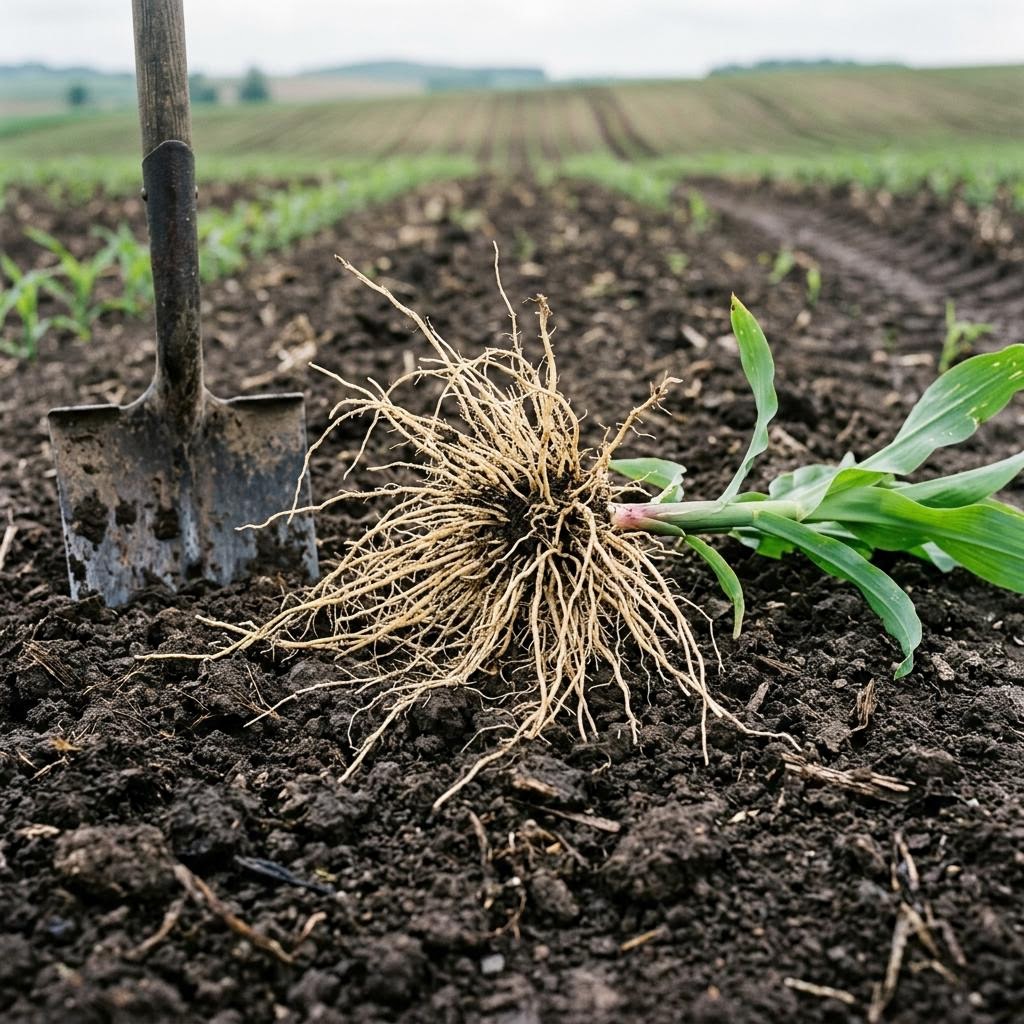
One of the building blocks and tenets of Regenerative Farming is cycling nutrients from previous crop residues. The goal is to accomplish this fast enough to provide fertility for the next crop and build soil organic matter in the process.
The value of crop residue is substantial. The pounds of nitrogen, phosphorus and potassium contained in the above ground portion of residue after a 200-bushel corn crop is 90-35-210 — not to mention the 39 lbs of Calcium, 28 lbs Magnesium, 18 lbs Sulfur, and a host of other valuable micronutrients. You can put the pencil to it to determine how many dollars per acre that represents!
How do I capture and store these nutrients?
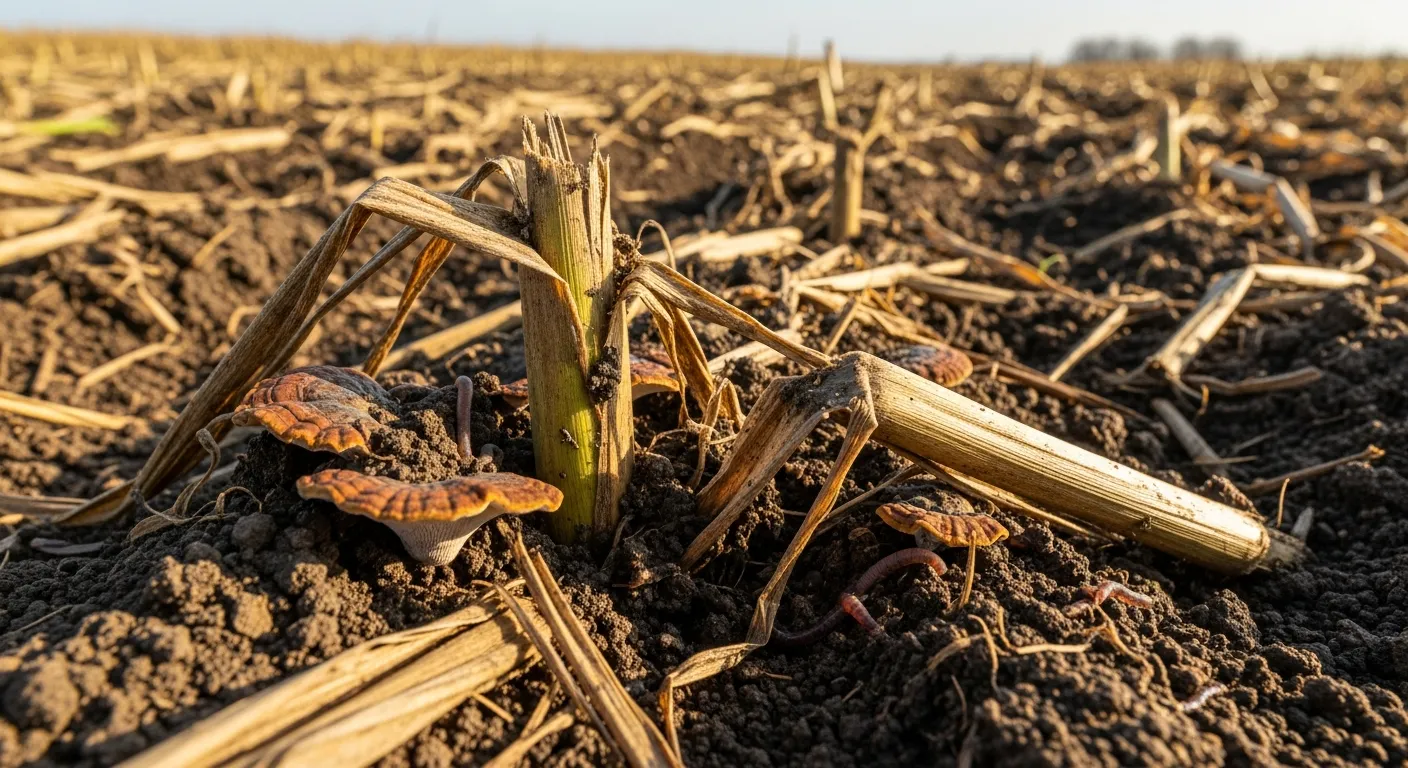
Crop residue left on the surface is subject to volatilization of carbon over time, which may reduce the full potential of nutrients available for cycling. Crop residue should be put in contact with the soil during harvest or shortly after to prevent carbon loss and speed up nutrient cycling. Chopping or shredding residue exposes more surface area to the microbes in the soil and enhances decomposition. The microbes that decompose residue live in the soil primarily and not on the residue itself unless you are in an extremely moist environment.
Residue should be left in the aerobic zone, or the soil with oxygen. Turning residue into anaerobic soil does not produce the desired results. The residue will not decompose properly to release nutrients and build soil organic matter. This means that you need to use "Wise Tillage" to put residue in contact with the soil. That can be anything from no-till to mini-moldboard plowing depending on several factors. Think in terms of what helps you grow the most microbes per acre.
Decomposition can be sped up by inoculating the soil with a microbial product such as Residuce WS that contains microbes that decompose residue. Adding food sources is required, and nitrogen to narrow the carbon to nitrogen ratio can also help. Manure or cover crops can help provide this nitrogen. Root exudates from cover crops will help feed microbes that decompose residue.
General Program Recommendation
The program includes using 1/10 lb of Residuce WS per acre along with a food source to jump start the multiplication of microbes. The product of choice for Organic growers is Residuce O or Dramm Fish, while Conventional growers choose between PractiCal, Residuce CS or Residuce XT. All growers may also consider adding MVP and/or MT17 (great if you use manure) to your Residue Management Program mix to help stimulate microbiology and build your soil tilth and health for the upcoming growing season.
Ideally, this process starts soon after harvest; however, a lot of growers use the Residuce program as early as possible in the Spring, when moisture conditions are usually more ideal, and see good results.
It is good to use the Residue Management Program on every crop whether it is corn, beans, wheat, produce, or when terminating cover crops. It is especially important to apply ahead of growing grass crops, such as corn or small grains. The goal is to decompose residue as much as possible before planting to help narrow the Carbon:Nitrogen ratio. This will put the next crop in a much more favorable nutrient status.
Good residue management will improve soil tilth and provide better planting conditions for the next crop, including better nutrient availability early and all season long. This is one effective Strategy to Deal with Rising Fertilizer Costs.
Consult your AgriEnergy Dealer or representative to help you determine which Spring Residue Management program will be the best solution on your farm. It's time to lay the foundation for another growing season that is quickly approaching!